Category: Saudi Giving

  • The Generosity of Saudi Arabia’s Leaders and Citizens: Housing, Zakat and Waqf

    The Generosity of Saudi Arabia’s Leaders and Citizens: Housing, Zakat and Waqf

    Generosity (karam) is one of the most valued traits in Arabian culture, and Saudi Arabia’s leaders have long presented charitable giving as a national duty. In recent years that tradition has moved onto regulated digital platforms, which make giving faster and much more transparent.

    The roots: zakat, sadaqah and waqf

    • Zakat is the obligatory annual charity paid by Muslims who meet a minimum wealth threshold, generally 2.5% of savings. In Saudi Arabia, zakat on businesses is collected by the state.
    • Sadaqah is voluntary charity, given at any time and in any amount.
    • Waqf is a permanent endowment: an asset whose income is devoted to good causes forever. Many mosques, wells and hospitals in the Kingdom are funded this way.

    Jood Eskan: helping families find a home

    Launched in 2019, the Jood Eskan platform lets citizens and residents contribute towards housing for families in need. According to Saudi Housing Minister Majed Al-Hogail, more than 4.5 million donors have contributed more than SR5 billion. It began with 100 families and now serves more than 50,000.

    The housing sector’s non-profit network also includes more than 313 organisations and 345,000 volunteers, supporting over 106,000 families, plus a rent-support programme for about 6,600 families.

    Leadership giving

    Saudi leaders traditionally open major charity drives with personal donations. In Ramadan 2026, for example, the national Ehsan campaign was supported by a SR70 million donation from the Saudi leadership. Abroad, the Kingdom’s generosity is channelled through KSrelief.

    How help actually reaches people

    All of this support goes through licensed charities and government programmes that check eligibility. It is not distributed by individual sheikhs through social media, and nobody in this system asks applicants to pay a “processing fee”.

    Sources

    Arab News (16 February 2026 and 21 March 2026); Saudi Ministry of Municipal Affairs and Housing.

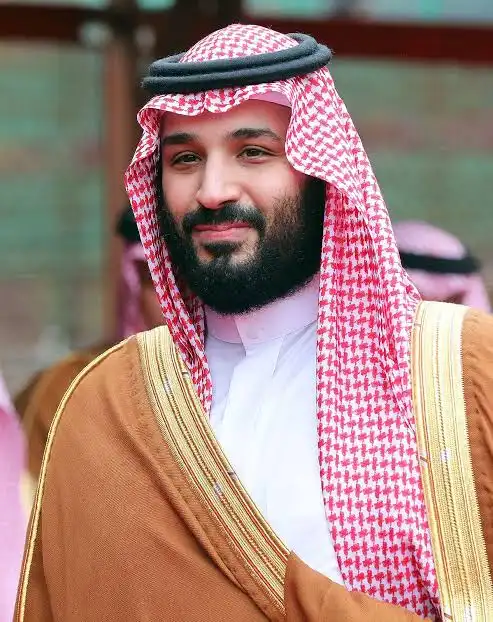
    Featured image: representational stock photo from Pexels. It does not show any person named in this article.

  • KSrelief: Inside Saudi Arabia’s Humanitarian Agency and Its $8 Billion in Aid

    KSrelief: Inside Saudi Arabia’s Humanitarian Agency and Its $8 Billion in Aid

    The King Salman Humanitarian Aid and Relief Centre (KSrelief) is Saudi Arabia’s main international aid agency. It was established in May 2015 under royal directives to bring the Kingdom’s overseas relief work under one organisation.

    KSrelief by the numbers

    • 4,457 projects in 113 countries since 2015, with funding of more than US$8 billion (Arab News, September 2026).
    • In 2025 alone, its statistics list 830 completed and ongoing projects worth about US$989 million, with health the largest sector.
    • Yemen and Syria were the largest single-country recipients in 2025.

    The conjoined twins programme

    One of KSrelief’s best-known efforts is the Saudi Program for Conjoined Twins. Saudi surgeons have reviewed 158 cases and carried out 72 separation operations on twins from 28 countries across five continents. In 2024 the United Nations designated 24 November as World Conjoined Twins Day.

    Volunteer doctors abroad

    Through the Saudi Portal for External Volunteering, 84,388 volunteers have taken part in 1,446 missions in 59 countries, performing more than 273,000 surgical procedures and reaching more than 2.85 million beneficiaries.

    Sahem: public donations

    KSrelief’s Sahem platform lets the public donate to its relief projects. It has collected more than SR1.7 billion from over 9.8 million donors.

    Saudi Arabia’s giving at home runs largely through a separate platform, Ehsan.

    A note for readers in Pakistan and South Asia

    KSrelief works with governments, the UN and registered NGOs. It does not hand out cash or marriage grants to individuals who fill out online forms, and it never charges a fee. Posts claiming otherwise are fake.

    Sources

    KSrelief official statistics (ksrelief.org); Arab News (6 September 2026).

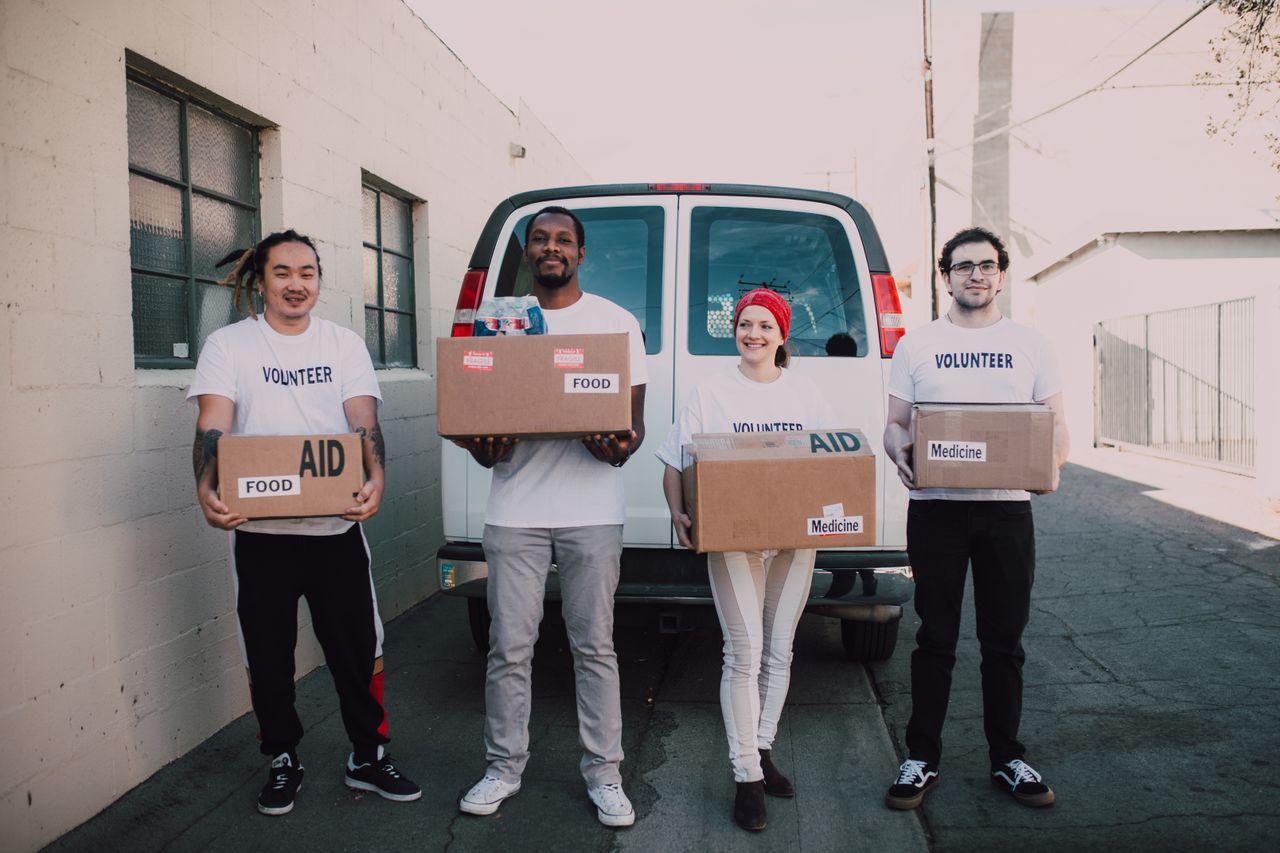
    Featured image: representational stock photo from Pexels. It does not show any person named in this article.

  • Ehsan Platform: Saudis Gave SR4.5 Billion Through 135 Million Donations in 2025

    Ehsan Platform: Saudis Gave SR4.5 Billion Through 135 Million Donations in 2025

    Ehsan (meaning “excellence” or “doing good”) is Saudi Arabia’s national platform for charitable work. It is run by the Saudi Data and Artificial Intelligence Authority (SDAIA) and lets people donate to verified causes in a few seconds through an app or website.

    Record giving in 2025

    In February 2026, SDAIA president Abdullah Alghamdi said that more than SR4.5 billion (about US$1.2 billion) was donated through Ehsan in 2025, across 135 million donations. That works out at an average of about SR12.45 million a day, compared with roughly SR2.8 million a day during the platform’s first campaign in 2021.

    Over its first five years, the platform has handled more than 330 million donations worth around SR14 billion.

    The Ramadan national campaign

    Each Ramadan, Ehsan hosts a National Campaign for Charitable Work. The sixth campaign, in 2026, raised more than SR1.75 billion through over 26.5 million transactions, supported by a SR70 million donation from the Saudi leadership.

    The Ehsan Waqf Fund

    Ehsan also manages an endowment fund that invests donations and spends the returns on charity. It has passed SR2 billion in total donations and supports more than 2,400 charitable associations.

    Why it is trusted

    Ehsan is supervised by 13 government entities, and every donation opportunity is linked to a licensed charity. Donors can see where their money goes. This is the opposite of informal appeals on social media, which have no oversight.

    Ehsan also works alongside the Jood Eskan housing platform, which helps families in need find homes.

    Sources

    Arab News (16 February 2026 and 21 March 2026); Saudi Gazette.

    Featured image: representational stock photo from Pexels. It does not show any person named in this article.